Match lift type to access pattern
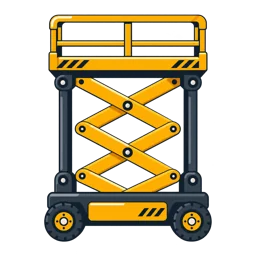
- Direct vertical access: Scissor lifts provide larger platforms for linear tasks when the machine can sit below the work.
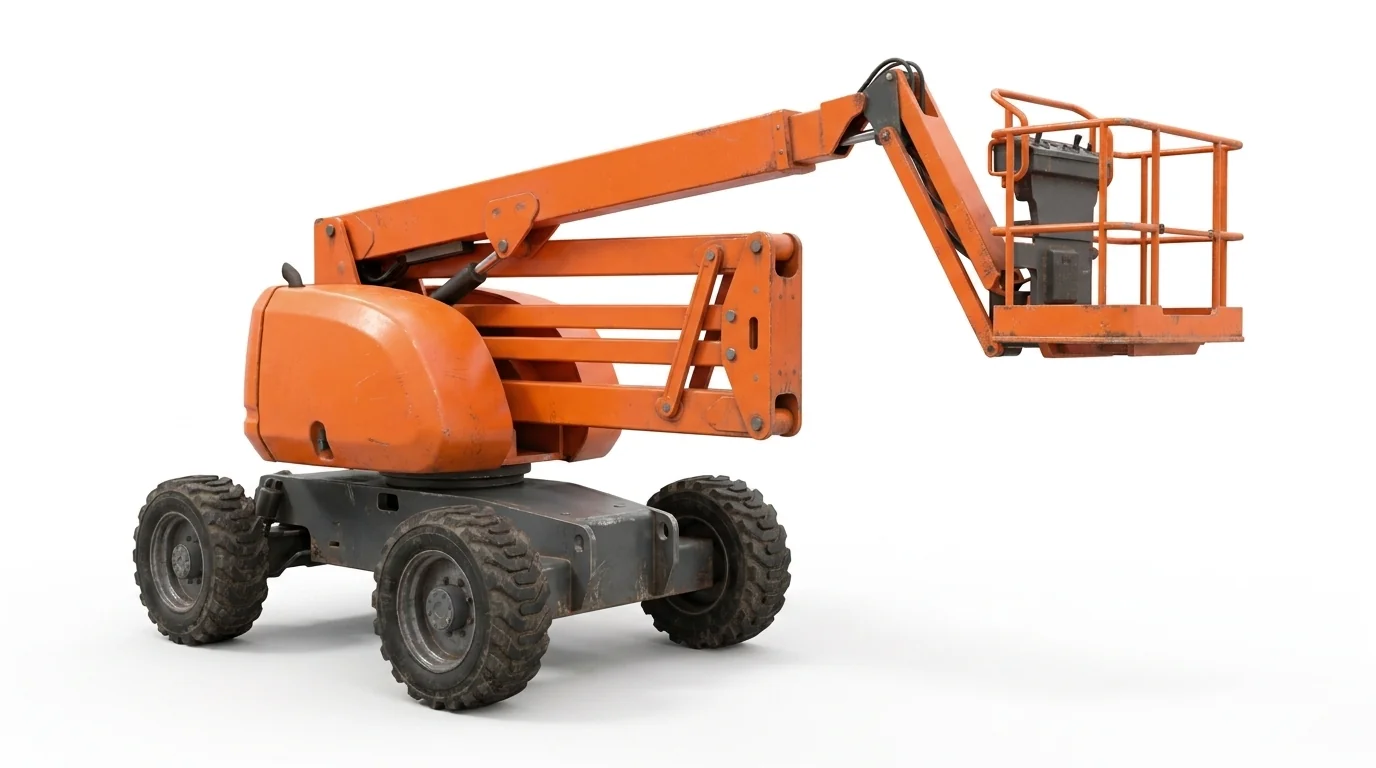
- Up-and-over around structure: Articulating booms handle obstacles and tight setup areas.
- Long horizontal reach from stable ground: Telescopic booms cover distance when a clear line of sight exists.
Knoxville factors that steer the decision
- Logistics interiors prioritize electric slab scissors for low noise and non-marking tires.
- Exterior work on sloped sites and after rain pushes toward rough-terrain scissors or booms with off-pavement capability.
- Summer storms compress work into short windows, so transport paths, staging pads, and reposition speed influence category choice.
Scissor vs. boom in practice
- Scissor: best for lighting, racking, and duct where a continuous deck helps stage materials and tools.
- Articulating boom: ideal when structural steel, canopies, or façade details block a straight vertical path.
- Telescopic boom: suited to long, direct reaches over open grades, provided ground conditions remain consistent.
Where each fits in Knoxville
- Indoor distribution and commercial spaces: Electric Scissor Lifts.
- Unfinished or variable exterior ground: Rough Terrain Scissor Lifts.
- Complex exteriors and stadium-style geometry: Boom Lift Rental.
Planning details that prevent delays
- Verify the tightest doorway, gate, or pinch point along the route.
- Confirm surface type end-to-end and note any soft drainage lines common in the area.
- Align platform height with task elevation plus working posture and guardrail allowance.
Local climate and terrain make access planning as important as reach. Pick by how the lift reaches the task, then by how the site’s ground and weather affect travel and setup.