Start with approach and setup
- Can the machine travel from staging to the work zone without crossing soft shoulders or steep crowns? The approach often dictates tire style and machine weight.
- Once at the task, can the lift sit below the work on reasonably level, compact ground? If not, platform size and stabilizing features become deciding factors.
Local conditions that change the choice
- Ridge-and-valley topography near Knoxville creates uneven grades and drainage paths. After rain, low areas may stay soft even when the main path appears firm.
- Summer storms can shift schedules, so machines that reposition quickly between firmer pads help keep crews productive between weather windows.
Narrow by platform geometry
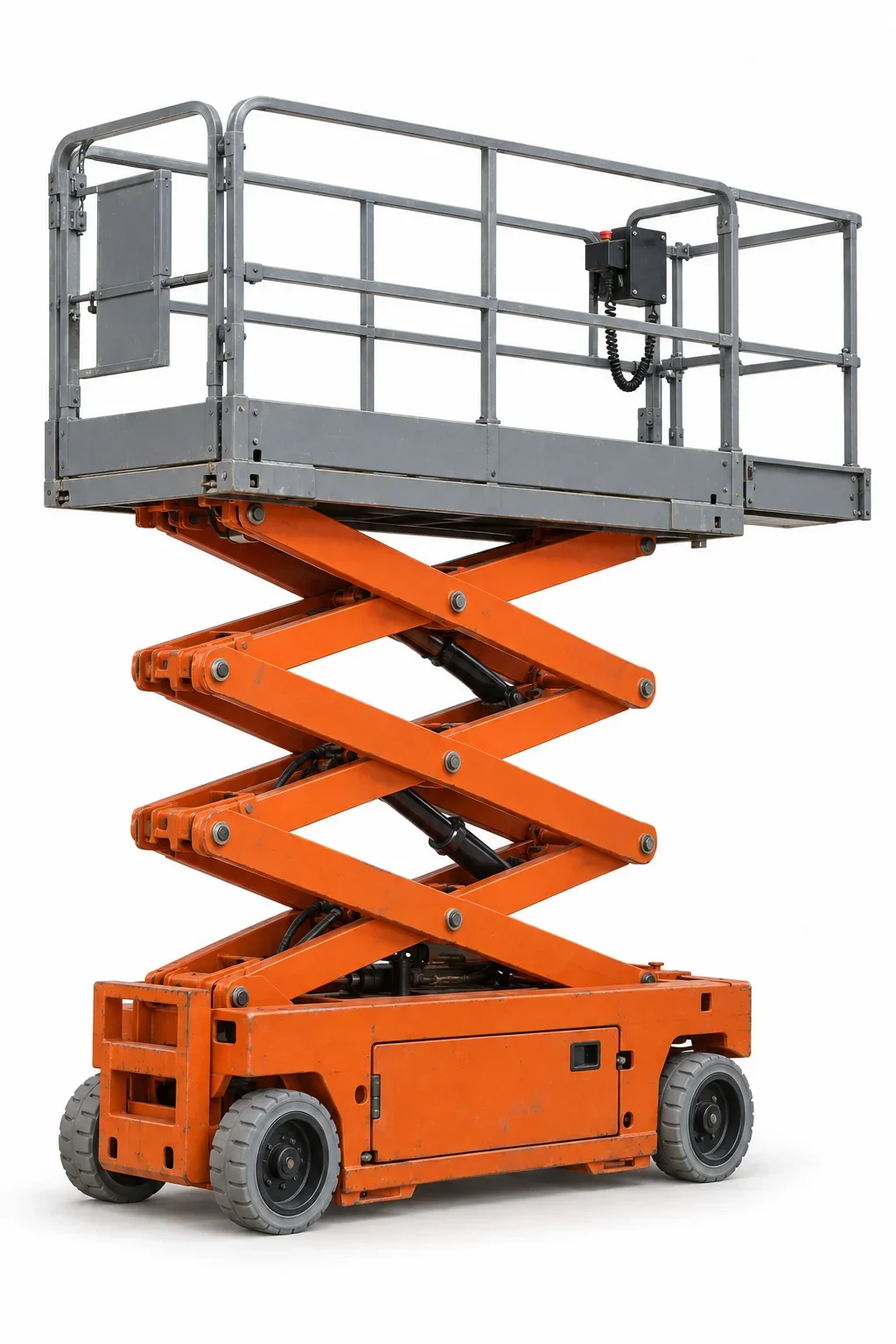
- For straight-up exterior work like sheathing, signage, or glazing prep, a large-deck rough-terrain scissor provides room for materials when outreach isn’t required.
- If structural steel, canopies, or seating create an obstacle above, compare Aerial Lift Rental options for up-and-over access.
Transport and site access
- Verify trailer access, gate widths, and turning space on crushed stone or compacted fill.
- Check the entire route for weak spots—utility cuts, culverts, and saturated shoulders can be the limiting factor.
Alternatives for mixed sites
- When work moves from soft exterior ground to finished interiors, teams sometimes stage both a rough-terrain scissor outside and an Electric Scissor Lift inside to avoid tracking debris onto slabs.
- For higher reach over obstacles, review Boom Lift Rental.
Exterior work in Knoxville rewards machines chosen for ground variability first, height second. Platform size only helps if the unit can travel and set up reliably between showers and across changing grades.