Start with the reach path
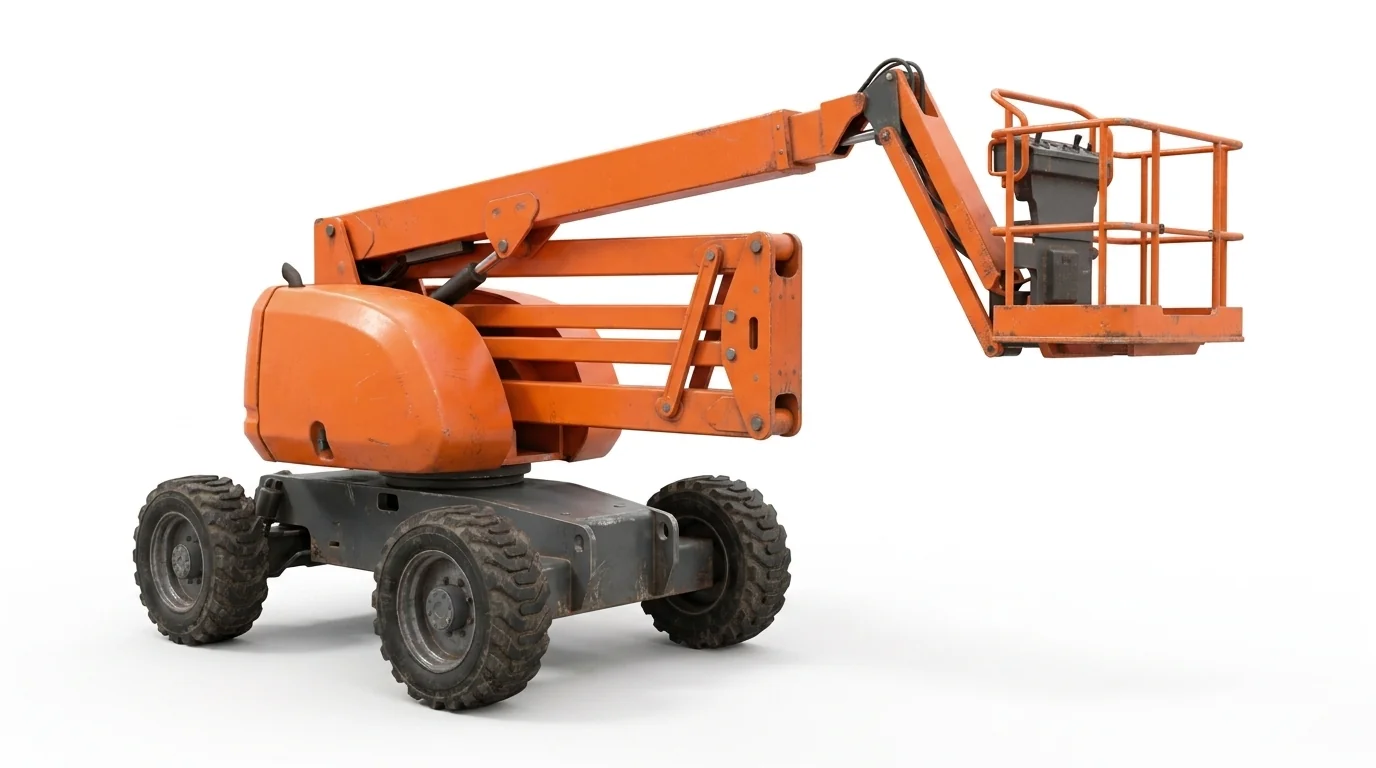
- Articulating booms flex around obstacles with multiple joints, making them effective where structural members or canopies block a straight path.
- Telescopic booms extend in a straight line and cover longer horizontal distances from a stable setup point.
Knoxville terrain and weather effects
- Ridge-and-valley grades create uneven setup spots and longer distances from firm ground to the workface. Telescopic booms help when you must stand back from soft areas.
- After rain, soft shoulders and drainage lines may shift the safe setup zone; articulation can thread around obstructions from a smaller pad.
Choose by standoff distance and clearance
- If you must park back from the façade due to landscaping, soils, or barriers, calculate horizontal reach first to see if a telescopic model fits.
- If the route to the elevation point weaves through structure, articulation reduces jockeying and set-down moves.
When a scissor still wins
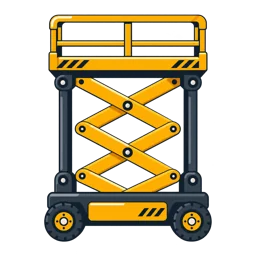
- For straight vertical work with space directly underneath, a scissor’s larger deck handles tools and materials better. See Aerial Lift Rental or compare Electric Scissor Lifts and Rough Terrain Scissors.
Site planning notes
- Verify gate widths, turn radii, and any slope breaks on the way to the setup area.
- Consider wind exposure on open grades and schedule around typical summer storm patterns. Actual conditions, the selected unit’s instructions, and site procedures govern elevated work.
Booms fit Knoxville projects where geometry and ground prevent a direct vertical approach. The right choice balances obstacle clearance, standoff distance, and travel over uneven terrain.