Fit takes priority: width, weight, and turning
- Measure the tightest constraint on the route from loading area to task—dock doors, vestibules, or pallet rack spacing. That single pinch point sets the maximum machine width and sometimes height.
- Confirm floor capacity on mezzanines and finished slabs. Machine weight plus load must align with the surface rating across the entire path, including joints and thresholds.
- Turning radius matters near columns and conveyors. Shorter wheelbases help reposition along long runs of lighting or cable tray.
Knoxville-specific considerations
- Local distribution buildings often pair tall ceilings with polished floors; non-marking tires and clean electric drive limit scuffing and exhaust concerns.
- Humid summers and frequent storms push more work indoors during peak heat, so battery endurance and access to charging become planning items.
- University labs and commercial interiors may require tighter particulate and noise profiles, favoring electric scissors over engine-driven alternatives.
Platform geometry for indoor tasks
- Can the lift sit directly under the run of fixtures or duct? If yes, choose by platform height and deck size rather than outreach.
- For long linear work, a larger platform with extension deck reduces repositioning along bays.
- For ceiling grids and MEP touchpoints, look at models with fine elevation control for repeatable set heights.
When to consider other categories
- If obstacles block a straight vertical path—over conveyors, mezzanine lips, or structural members—compare Aerial Lift Rental options like articulated booms.
- If part of the route crosses unfinished exterior ground, a Rough Terrain Scissor Lift may handle the approach better, even if the work is mostly indoors.
Planning checklist for Knoxville interiors
- Door and elevator dimensions from dock to floor.
- Charging location and schedule for multi-shift maintenance.
- Sensitivity to tire marks, noise, and ventilation within conditioned spaces.
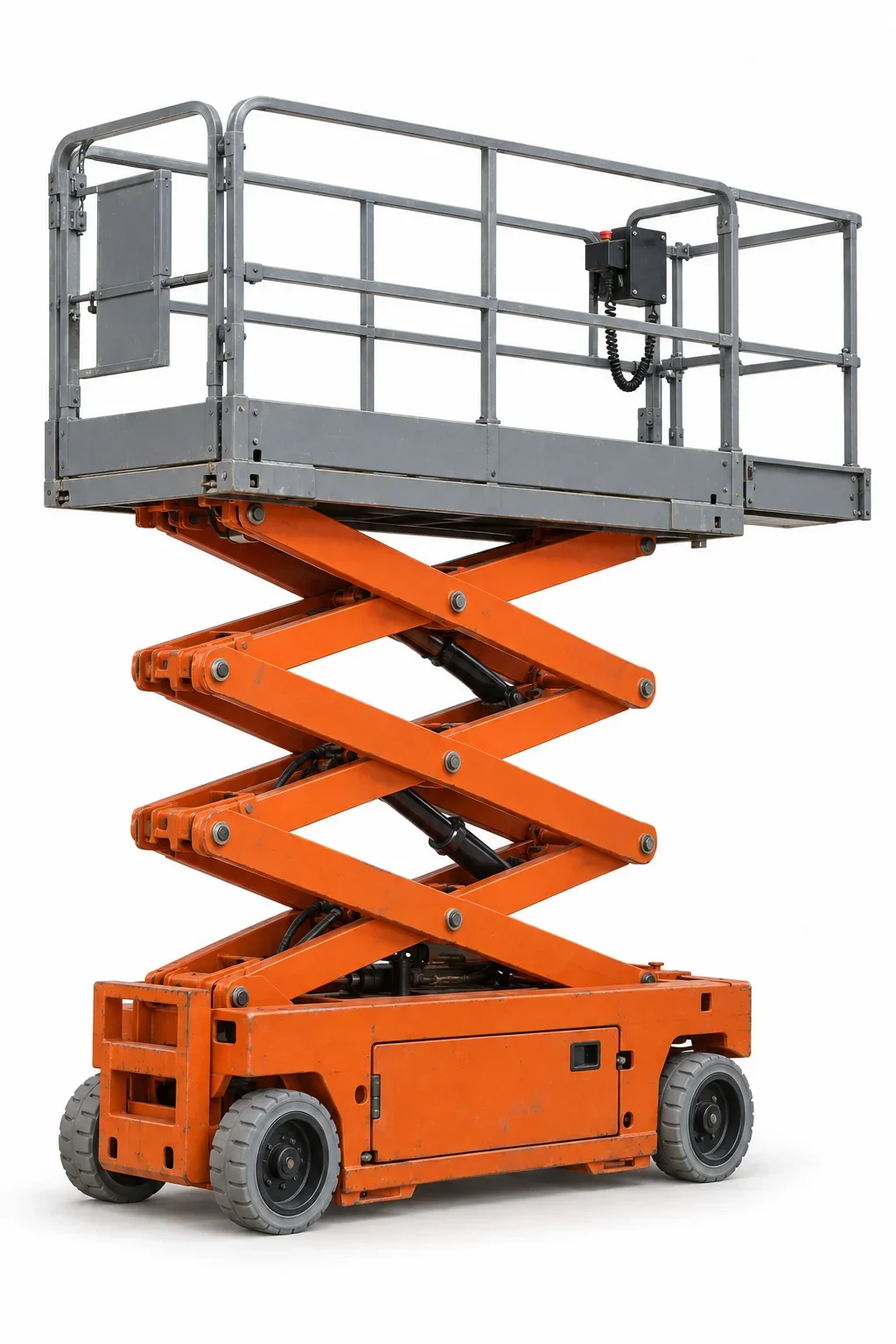
Electric scissor lifts align with Knoxville’s expanding indoor logistics and facility work when the lift can sit beneath the task and the route stays on finished slab from start to finish.